Why Choose Solar Power for Your Home?
Why Choose Solar Power for Your Home?
For many households, solar power for home has shifted from an experimental idea to a practical energy choice. Rooftop panels can turn sunlight into electricity beside your roof, garage, or garden. The International Renewable Energy Agency reported 1,419 gigawatts of global solar capacity by the end of 2023. Solar represented roughly three-quarters of new renewable capacity added that year. This growth reflects improving technology, falling equipment costs, and stronger consumer interest.
At home, the benefits are tangible. A south-facing roof can produce electricity during bright afternoon hours, reducing dependence on grid power. With a battery, surplus daytime energy may support evening lighting, appliances, or electric-vehicle charging. The International Energy Agency identifies solar photovoltaic power as a key driver of global renewable expansion. However, household results depend on roof direction, shading, local weather, electricity prices, and installation quality. No panel works equally well everywhere.
Good decisions require more than attractive savings estimates. The U.S. Department of Energy recommends assessing energy use, roof condition, incentives, and installer credentials before purchasing a system. A professional site inspection should check tree shadows, roof age, wiring, and equipment placement. Solar is not magic. Payback periods can change when interest rates, tariffs, or utility rules change. Battery systems also add cost and maintenance considerations. Some claims online sound too certain. A realistic evaluation compares several quotes, reviews warranty terms, and studies your last twelve months of electricity bills. When carefully designed, residential solar can provide cleaner power, greater energy independence, and more predictable long-term costs.
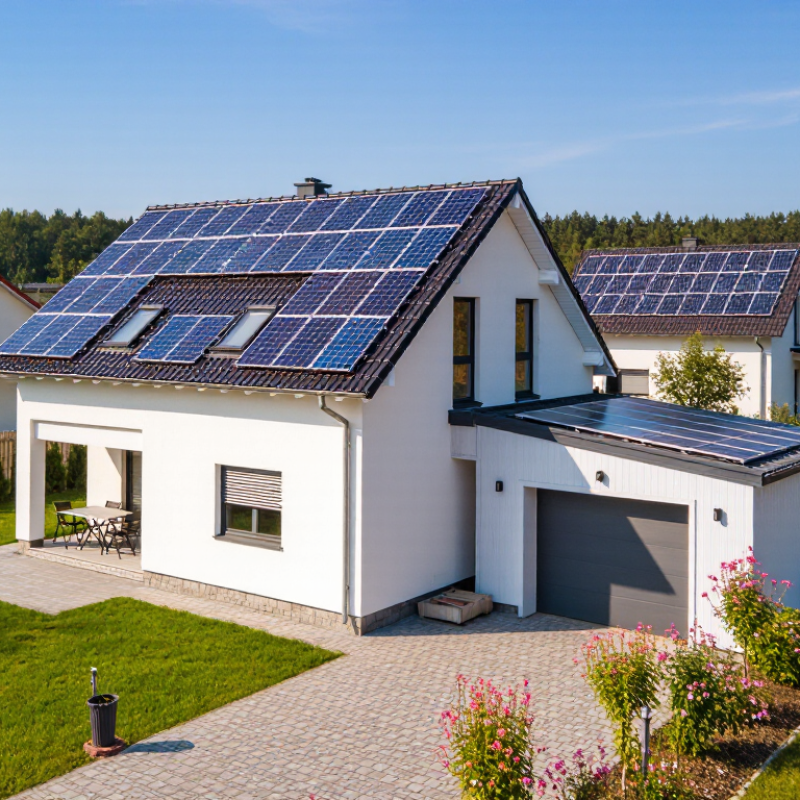
How Solar Power Works in a Residential Setting
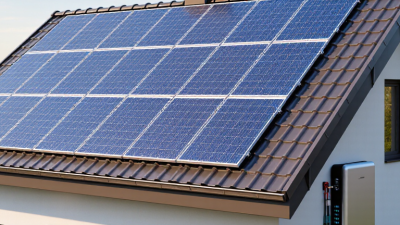
On a sunny morning, rooftop solar panels convert sunlight into direct-current electricity.
An inverter changes it into alternating current for household circuits. When a refrigerator starts, power flows through the electrical panel like utility electricity.
It is not stored automatically. This small distinction matters.
If panels produce more electricity than the home uses, excess power may move through the meter to the grid. Export credits depend on local rules and utility agreements. After sunset, the home usually draws electricity from the grid unless a battery stores daytime production.
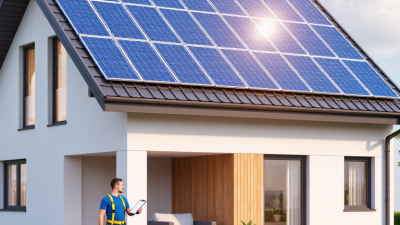
A qualified installer should check roof age, structural strength, shade from trees, and service-panel capacity.
A shade map is more reliable than a casual glance. Still, estimates can miss real-world changes.
Homeowners can monitor production through an inverter display or energy meter. Daily output changes with clouds, dust, heat, and seasonal sunlight. Bright weather does not guarantee maximum production. Panels may produce less during very hot afternoons. Leaves and debris can also reduce output, although routine maintenance is often limited.
Electrical work requires proper permits and qualified professionals.
I once assumed a larger system would always be better. That view ignores roof limitations, battery costs, and changing household demand.
Careful planning compares electricity use, roof conditions, backup needs, and local regulations before installation.
Key Benefits of Using Solar Energy at Home
Home solar turns an unused roof into a small power station. Its clearest benefit is control. Panels can produce electricity during daylight, reducing purchases from the grid. The U.S. National Renewable Energy Laboratory (NREL) notes that output depends on location, tilt, direction, and shading. A tree shadow at 3 p.m. matters. So does an aging roof. This is where real site assessment beats optimistic online estimates.
The climate benefit is substantial, although it is not impact-free. The IPCC’s Sixth Assessment Report places solar’s median lifecycle emissions near 48 grams of CO2-equivalent per kilowatt-hour. That remains far below coal and gas. The IEA’s Renewables 2024 report states that solar PV made up about three-quarters of renewable capacity added globally in 2023. More panels also mean more manufacturing, transport, and eventual recycling work. That uncomfortable detail deserves attention.
At home, savings depend on electricity rates, export rules, system size, and financing. A battery may keep lights, refrigeration, and internet running during an outage, but it adds cost and replacement planning. Demand can also shift: run a washing machine at noon, not midnight. Small habits help. Yet solar will not erase every bill. Professional installers should verify structural loads, electrical protection, fire access, and local permits. Ask for production assumptions in writing, then compare them with your roof’s actual shade and weather.
Main Components of a Home Solar Power System
A home solar power system is more than a row of panels. Solar panels capture sunlight and produce direct current electricity. Their output changes with shade, roof angle, temperature, and season. Shade matters. I have seen one chimney shadow reduce several panels’ afternoon production. That detail is easy to miss during a quick inspection. Panels need sturdy racking, secure flashing, and weather-resistant seals. Poor alignment can create leaks or reduce energy yield.
The inverter is the system’s electrical translator. It converts direct current into alternating current for household circuits. It also manages voltage and may disconnect during a grid outage. Backup operation requires compatible equipment. Some homes use microinverters, while others use one central inverter. The best choice depends on roof layout, shading, service capacity, and local electrical rules. A battery stores energy for evening use or limited backup power. It requires battery modules, protective devices, controls, and suitable temperature management. Batteries are useful, but not automatically economical.
Wiring, disconnect switches, grounding, and overcurrent protection connect these components safely. A bidirectional meter records electricity moving between the home and utility network. Monitoring software can reveal low production, but its readings still need sensible interpretation. A cloudy week is not necessarily a fault. Details matter. I would inspect cable routes and labels, not just the app. Some installations look tidy yet hide difficult maintenance access. A qualified installer should verify load calculations, permits, roof condition, and commissioning tests before operation. Homeowners should keep those records, although I admit many people forget where they stored them.
Why Choose Solar Power for Your Home?
Typical Performance of Main Home Solar System Components
Solar panels typically convert about 20–23% of incoming sunlight into direct-current electricity. The inverter converts this electricity into household alternating current with approximately 96–98% efficiency. Optional batteries commonly provide 85–95% round-trip efficiency, while properly installed wiring and connections generally retain about 97–99% of the available energy. Actual performance varies with temperature, shading, system design, and maintenance.
Factors to Assess Before Installing Residential Solar Panels
Why Choose Solar Power for Your Home?
Factors to Assess Before Installing Residential Solar Panels
Solar power can lower household electricity costs, but the roof must suit the system. Check its direction, pitch, usable area, and daily sunlight. South-facing roofs often perform well in many regions, though local conditions matter more. Nearby trees, chimneys, and taller buildings can create hard-to-notice afternoon shadows. A simple shade survey can prevent disappointing production later.
Examine your roof’s age and structure before requesting installation quotes. Panels may last for decades, while an old roof may need repairs first. Ask a qualified professional to inspect load capacity, wiring, grounding, and fire access. Local permits and utility connection rules also affect timing. They are easy to overlook. Your electricity bills from the past twelve months can reveal realistic system sizing. Do not rely on one unusually high bill.
Battery storage deserves careful thought, especially where outages occur or evening usage is heavy. Compare usable capacity, expected cycling, maintenance needs, replacement costs, and safety certifications. Request clear estimates showing production during cloudy months, not just sunny seasons. In site assessments, optimistic forecasts are a recurring weakness. Weather, dust, and household habits can reduce actual output. I would also check the installer’s licensing, insurance, workmanship coverage, and documented experience with similar roofs. Read every warranty condition. Some savings calculations look impressive until financing fees, cleaning, repairs, or future roof work are included.