What Is the Best Solar Energy System for Home?
Choosing the best solar energy system for home is not a simple equipment comparison. It is a property-specific decision involving sunlight, electricity use, roof structure, storage needs, and local rules. The International Energy Agency reported nearly 420 gigawatts of new solar photovoltaic capacity worldwide in 2023. That growth shows solar’s maturity, but it does not guarantee that every household needs the same design.
A practical system usually includes solar panels, an inverter, mounting hardware, monitoring software, and possibly a battery. NREL’s residential solar research highlights how shading, roof orientation, and weather conditions influence annual production. A south-facing roof may perform well, yet a clean east-west roof can also produce useful morning and afternoon power. Small details matter. One chimney shadow can affect several panels.
Battery storage deserves careful attention. The U.S. Department of Energy explains that batteries can improve backup capability and shift solar electricity into evening hours. However, they increase upfront cost and require suitable installation space. IRENA’s Renewable Capacity Statistics 2024 recorded solar as the largest source of new renewable capacity added globally in 2023. That authority supports solar’s long-term relevance, not a universal buying recommendation. A large array may waste money when daytime consumption is low. A small system may disappoint during winter. I would not choose equipment from a sales brochure alone. Compare measured household consumption, installer credentials, warranties, degradation rates, and local electricity prices. Even careful estimates can miss future changes. The best system is the one that fits real usage, realistic finances, and dependable professional installation.
How Home Solar Energy Systems Work
What Is the Best Solar Energy System for Home?
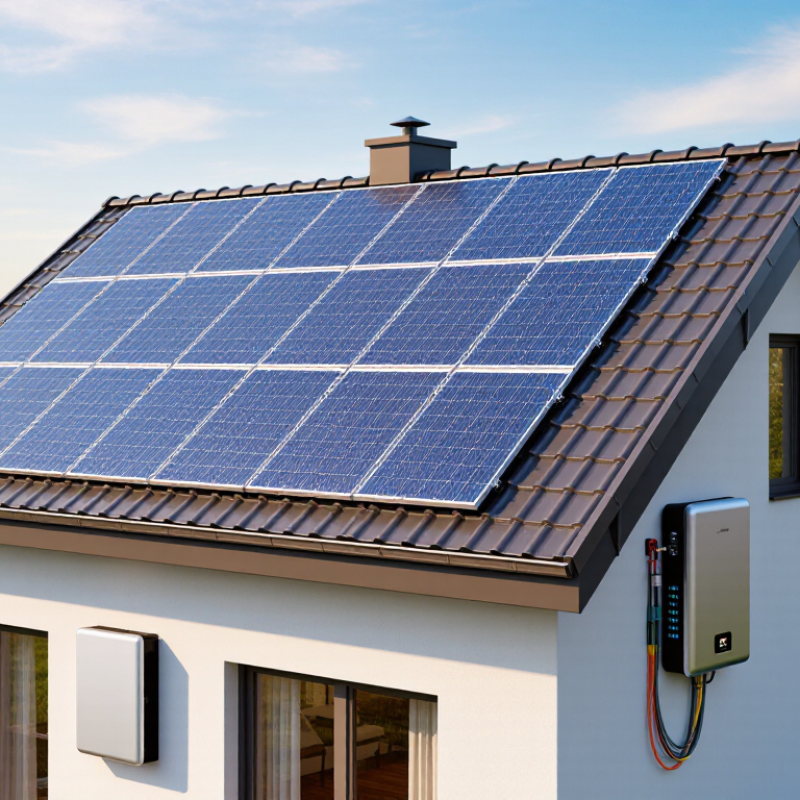
A home solar system begins with sunlight, not the battery. Photovoltaic cells produce direct-current electricity when light reaches their semiconductor layers. An inverter then changes that electricity into alternating current for household appliances. The International Energy Agency’s Photovoltaic Power Systems Programme reported more than 400 gigawatts of new solar capacity worldwide in 2023. That growth reflects a mature technology, but home performance still depends on local conditions.
During a practical site assessment, roof direction, shading, temperature, and wiring all matter. A south-facing roof often receives strong sunlight in the Northern Hemisphere. Trees can create sharp afternoon losses. The inverter tracks panel output and synchronizes it with household demand. Extra electricity may flow through a meter to the grid, depending on local rules. The U.S. Department of Energy identifies this inverter conversion as a central step in residential solar operation.
A battery stores surplus electricity for evening use or outages. Without storage, unused daytime power may leave the home immediately. The National Renewable Energy Laboratory notes that battery sizing should match load patterns, not simply panel capacity. A large battery can look impressive, yet remain poorly used. That is an easy mistake. I would review hourly electricity data before choosing equipment. Weather changes, aging panels, and imperfect installation estimates can also reduce expected output. The IEA PVPS Trends report shows continued global expansion, but its data does not guarantee identical results for every roof.
How to Assess Your Home’s Solar Energy Needs
Choosing the best solar energy system begins with understanding your home’s actual electricity use. Review twelve months of utility bills, not one convenient month. Note seasonal changes from air conditioning, heating, pumps, and electric vehicles. A recent bill may hide your highest demand.
A practical assessment should examine daily usage, roof direction, shade, and available installation space. Watch the roof between 9 a.m. and 3 p.m. Trees, chimneys, and nearby buildings can reduce production. Ask an installer to measure shading rather than relying on a quick visual guess. That estimate may be wrong. Your household may also use more power after installation, especially with new appliances. Small details matter.
Compare your estimated annual consumption with realistic solar production for your location. Local solar data and professional engineering software provide better evidence than online calculators alone. If evening usage is high, assess whether battery storage fits your goals and budget. It should not be added automatically. Review its usable capacity, expected lifespan, safety features, and replacement costs. An experienced installer should explain assumptions clearly and show low, typical, and high production scenarios. Request written calculations, equipment specifications, maintenance expectations, and information about permits and grid connection. I would question any proposal promising perfect savings or complete energy independence. Weather, maintenance, and future household changes create uncertainty. A careful decision leaves room for those imperfections.
Comparing Solar Panels, Batteries, and Inverters
What Is the Best Solar Energy System for Home?
Comparing Solar Panels, Batteries, and Inverters
The best home solar system depends on electricity use, roof conditions, and outage concerns. Solar panels generate power, but they do not work alone. Their output changes with cloud cover, roof direction, shade, and seasonal sunlight. A professional assessment should review twelve months of electricity bills, not one average month.
Batteries store unused daytime energy for evening appliances or short outages. They are useful when household demand peaks after sunset. However, storage adds cost, weight, maintenance planning, and installation limits. A smaller battery may suit a home that uses little evening power. A larger unit can be wasteful if daily consumption is low. I have seen homeowners focus on battery size while ignoring insulation and inefficient appliances. That decision deserves reconsideration.
The inverter converts panel electricity into usable household power. It also controls system monitoring and may influence backup performance. Some systems use one central inverter, while others use smaller units across the roof. The better choice depends on shade, roof design, and repair access. Check efficiency ratings, operating temperature ranges, warranty terms, and local electrical requirements. Do not judge a system by panel wattage alone. A high-output array with a poorly matched inverter can lose practical value. Real performance should be measured over months, including cloudy weeks and winter demand.
What Is the Best Solar Energy System for Home?
Typical service life of the main components in a residential solar energy system.
Solar panels generally provide the longest service life, while batteries and inverters usually require replacement sooner.
A well-balanced home system should match panel capacity, battery storage, and inverter output with household electricity use, local sunlight, and backup-power needs.
How to Choose the Best Solar System for Your Home
Choosing the best solar system starts with your home, not a product label. Walk around the roof at different times. Note shade from trees, chimneys, and nearby buildings. A roof that looks sunny at noon may lose useful light by late afternoon. In practical site assessments, this simple check often changes the panel layout. It can also reveal damaged tiles or awkward roof angles. Do not skip that inspection.
Review your electricity bills for at least twelve months. Look for seasonal peaks, especially during cooling or heating periods. Then estimate which appliances must operate during an outage. A modest battery may support lights, refrigeration, internet, and medical equipment, but not every heavy load. Ask a qualified installer for a written production estimate, equipment specifications, warranty terms, and maintenance requirements. Local permitting and grid rules matter too. They are not minor paperwork.
Choose system size from measured consumption and future plans. An electric vehicle, heat pump, or home extension can change the calculation. My early estimates were too optimistic when I ignored winter shade. That mistake was useful. Compare roof-mounted and ground-mounted options, including wiring distance and structural work. Request an on-site assessment rather than relying only on satellite images. Good advice should explain its assumptions clearly. Still, estimates can be wrong. Dust, weather, and shading change results. Recheck the proposal against your bills, roof condition, and budget before signing anything.