Why is Solar System Installation Essential for Sustainable Energy Solutions?
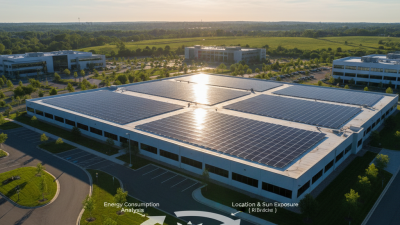
In recent years, solar system installation has gained significant attention in the quest for sustainable energy solutions. The shift towards renewable energy sources stems from the urgent need to address climate change and reduce carbon footprints. Solar energy offers a viable alternative to traditional fossil fuels, showcasing the importance of harnessing natural resources responsibly.
The installation of solar systems enables homes and businesses to generate their own electricity. This decentralization of energy production can lead to energy independence. However, numerous challenges exist, including initial costs and the availability of sunlight in various regions. Each location has its unique set of circumstances that can influence the feasibility of solar implementation.
Despite the hurdles, the benefits of solar system installation are substantial. It reduces utility bills and minimizes reliance on non-renewable energy. Moreover, it contributes to job creation within the green technology sector. There is still room for improvement in technology and accessibility. Reflecting on these challenges helps us better understand the necessity of integrating solar energy for a sustainable future.

Importance of Solar Energy in Mitigating Climate Change Effects
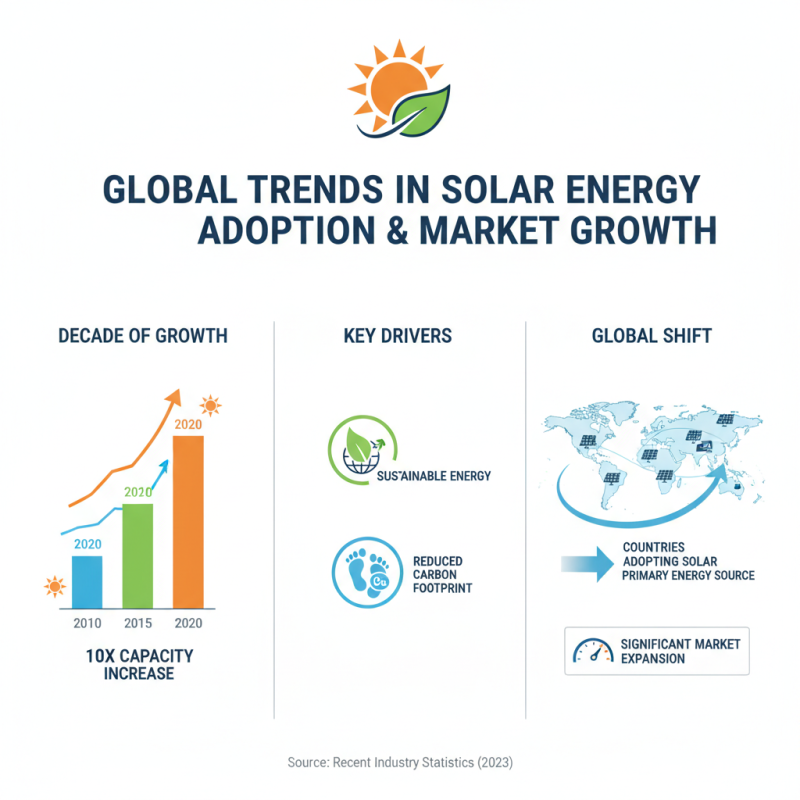
Solar energy plays a critical role in mitigating climate change. According to the International Energy Agency (IEA), solar power generation has surged by over 20% annually in the last decade. This growth helps to reduce greenhouse gas emissions significantly. In 2020 alone, solar energy contributed to a reduction of approximately 1.3 billion tons of CO2 emissions globally.
The impact of solar energy is evident in its ability to offset the reliance on fossil fuels. In regions where solar installations are prevalent, local emissions have dropped. For instance, California's significant solar adoption led to a 20% reduction in its greenhouse gas emissions since 2005. However, challenges remain. Not every region has adequate sunlight, and initial costs can be prohibitive for some.
Despite these hurdles, the expansion of solar technology remains imperative. The World Bank reports that transitioning to solar energy could save countries up to $1.6 trillion in health costs by 2030. Implementing solar solutions is not just about energy generation; it’s about creating a sustainable future, addressing economic disparities, and promoting environmental health. The path is challenging but necessary. As technology advances, continuous investments and innovations are needed to maximize solar's potential in combating climate change effects.
Technological Advancements Driving Efficiency in Solar System Installations
The solar energy landscape is evolving rapidly, driven by technological advancements. Recent data from the International Energy Agency reveals that solar installations globally grew by 22% in 2021, emphasizing a significant shift towards sustainable energy solutions. Improved photovoltaic (PV) technologies are now more efficient than ever. Modern solar panels can achieve efficiency rates exceeding 22%, which was previously a benchmark only for premium models.
Battery storage technologies are also advancing. The cost of lithium-ion batteries has fallen nearly 80% since 2010. This reduction makes energy storage more accessible, allowing homes to use solar energy even at night. Efficiency is further enhanced through innovative tracking systems that orient panels towards the sun, increasing energy capture by up to 40%. Such improvements highlight the transition towards a more energy-independent future.
Challenges remain, however. While installation costs have decreased, upfront expenses can still be a barrier for many households. Moreover, integrating solar energy with existing grid systems can pose technical challenges. The future of solar energy depends on addressing these issues while continuing to innovate. As the market shifts, the potential for solar systems to be a cornerstone of sustainable energy solutions remains strong.
Economic Benefits of Solar Energy for Households and Businesses
Solar energy has emerged as a leading solution for households and businesses seeking economic advantages. A report from the U.S. Department of Energy highlights that residential solar panel installations can save homeowners around $20,000 over 20 years. The financial benefits are clear, but exploring them reveals much more.
With the rising cost of electricity, many households are shifting to solar energy. Over the past decade, the price of solar technology has dropped by over 70%. This price decrease translates to lower energy bills and potentially increases property values. Business owners can also take advantage of tax incentives, further reducing installation costs. Reports indicate that small businesses can expect an average return on investment of about 25% in the first year.
Tip: Consider your energy needs before choosing a system. Smaller systems might suffice for moderate users. Evaluate your property for solar access.
While solar energy offers substantial savings, some challenges still exist. Initial installation costs can be high. Furthermore, homeowners need to navigate local regulations and choose reliable contractors. Understanding these hurdles is essential for maximizing benefits.
Tip: Always seek multiple quotes before deciding on a solar installer. Researching local incentives can also yield significant savings.
Policy Frameworks Supporting Solar Energy Implementation Worldwide
The policy frameworks supporting solar energy implementation play a crucial role in promoting
sustainable energy solutions globally.
Governments and organizations are increasingly recognizing the urgent need to transition to
renewable energy. According to the International
Energy Agency (IEA), global solar power generation capacity increased by over 20%
in 2022. This rapid growth is largely due to supportive policies.
Various countries have adopted different approaches to harness solar energy. Some nations offer
financial incentives, such as tax credits or rebates, to encourage solar installations. Others have set
ambitious renewable energy targets to reduce dependence on fossil fuels. For instance, the European
Union aims for solar energy to constitute at least 20% of its
total energy consumption by 2030. Policy clarity is essential.
Yet, challenges remain. A lack of uniformity in regulations can hinder progress. In some regions,
bureaucratic delays slow down the installation process. Additionally, public awareness about solar
benefits is still lacking. Reports indicate that nearly 25% of households
are unaware of available solar incentives. These issues highlight the need for continuous assessment
and improvement in solar policy frameworks.