How to Choose the Best Solar Providers Worldwide?
Choosing the best solar providers worldwide requires more than comparing panel prices. A reliable decision begins with evidence, local experience, and careful questions. Solar projects differ across climates, building codes, grid systems, and household energy patterns. A provider experienced in sunny Spain may not understand winter conditions in Canada. That difference matters.
Look for companies with documented installations, qualified engineers, transparent certifications, and strong customer references. Ask to see recent projects similar to yours, not only polished photographs. Check panel and inverter brands, expected output, maintenance plans, and warranty conditions. A ten-year workmanship warranty sounds useful, but its exclusions may be more important. Read the contract slowly. Hidden service fees can change the real cost.
Independent reviews can reveal communication problems. However, online ratings are not perfect evidence. Speak with previous customers when possible. Ask whether the installation finished on time, whether the roof was protected, and how quickly support responded. Local knowledge also matters. Solar providers should explain permits, inspections, grid connection steps, and realistic payback estimates. They should not guarantee savings without studying your electricity use.
A trustworthy consultation feels specific. It includes a roof assessment, shading analysis, and a clear production forecast. Be cautious when sales pressure replaces technical detail. The cheapest quote may not be the strongest investment. Yet the most expensive provider is not automatically the best. That assumption deserves reflection.
Your final choice should balance performance, service, financial clarity, and long-term accountability. No shortlist is perfect. Still, careful comparisons can reduce avoidable risks. The goal is dependable clean energy, supported by a provider that remains available after installation.
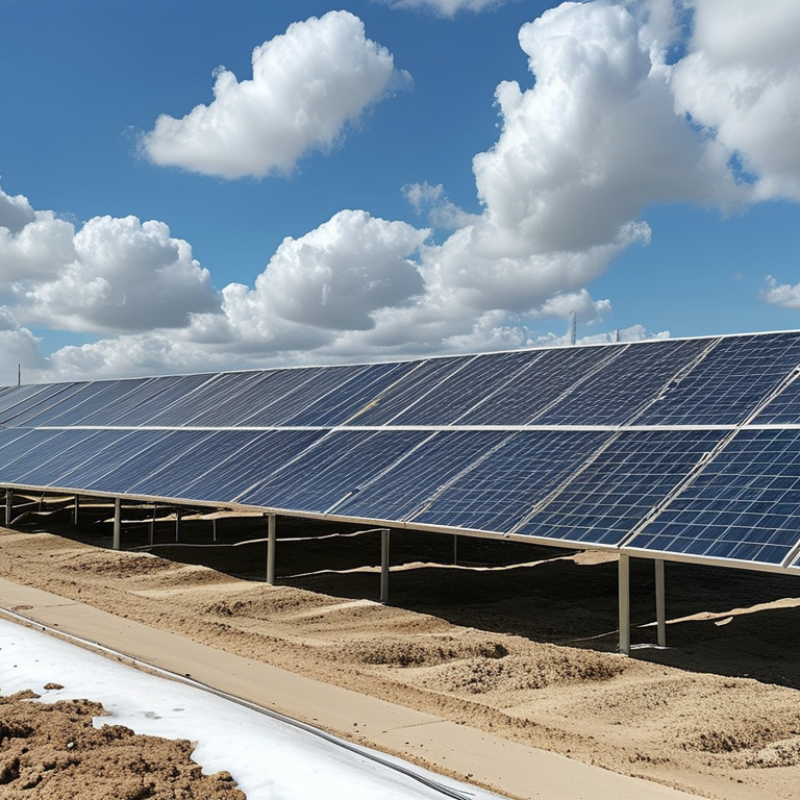
Map the Global Solar Market: 1,419 GW PV Capacity (IRENA, 2023)
How to Choose the Best Solar Providers Worldwide?
The global solar market has reached 1,419 GW of photovoltaic capacity, according to IRENA’s 2023 data. This figure shows remarkable scale, but capacity alone cannot identify the right provider. A reliable choice requires closer inspection of engineering quality, project experience, financial stability, and after-sales support.
In practice, compare providers across several climates and system sizes. A company experienced with desert heat may not understand coastal humidity or snowy roofs. Ask for documented performance data, warranty terms, maintenance response times, and independent certifications. Check whether projected energy yields use local sunlight records rather than optimistic estimates. Small details matter, such as cable protection, inverter placement, and cleaning access. These details are easy to overlook.
Tips:
Request three technical proposals. Compare assumptions, not just prices. Confirm who handles repairs locally. Ask for references from similar projects. Treat unusually high production forecasts carefully. A perfect assessment is impossible, and even careful buyers can miss hidden maintenance costs. Recheck the numbers with an independent energy professional before signing.
Assess Local Fit: Solar Irradiance, Tariffs, and Grid Rules by Country
Choosing a solar provider starts with local conditions, not a global ranking. Solar irradiance varies sharply between countries and regions. The Global Solar Atlas reports annual photovoltaic output near 1,000 kWh per installed kilowatt in parts of Germany, compared with over 1,700 kWh in sunny areas of India. A cheaper system may produce less energy when installed in a cloudy region. Roof direction, seasonal shade, dust, and temperature also matter.
Ask providers to model production using local weather data. Request monthly estimates, not only annual totals. The International Energy Agency reports that solar PV remained the fastest-growing renewable technology in 2023. Yet strong growth does not guarantee a good household project. Compare the expected yield with recent electricity bills and local tariffs. Retail prices, export credits, taxes, and fixed network charges can change the payback period. IRENA’s Renewable Capacity Statistics 2024 recorded global solar capacity above 1,400 GW, but country policies still differ greatly.
Grid rules deserve equal attention. Some countries require certified inverters, utility approval, export limits, or a separate meter. Australia’s connection requirements, for example, include technical inverter standards under AS/NZS 4777.2. In the United States, interconnection commonly follows IEEE 1547-based requirements, but utilities may apply extra procedures. Details matter. A provider should identify the responsible utility, approval timeline, and upgrade costs in writing. Do not accept optimistic estimates without assumptions. A weak point remains battery forecasting, especially where tariffs change frequently. Recheck the model before signing.
Verify Provider Bankability with BloombergNEF Tier 1 and IEA PVPS Data
Choosing a solar provider requires more than comparing panel prices. Bankability matters because projects often operate for 25 years. BloombergNEF’s 2024 Tier 1 methodology evaluates manufacturers through debt-financed projects and lender acceptance. It does not certify perfect product quality or guarantee financial stability.
Use this distinction carefully. Ask whether the proposed supplier appears on the latest Tier 1 assessment. Then verify warranty terms, audited financial information, manufacturing locations, and local service capacity. A familiar ranking can reduce uncertainty. It cannot replace contract review. That part is often neglected.
IEA PVPS Trends 2024 reported about 407 GW of new photovoltaic capacity in 2023, bringing global cumulative capacity near 1.4 TW. This rapid expansion increases the need for traceable suppliers and disciplined verification. Check whether the provider has delivered comparable projects in your climate. Examine shipment records, replacement procedures, and response times. Request evidence, not polished promises.
Bankability is not the same as reliability. That is the uncomfortable detail. A highly ranked manufacturer may still create delays through weak local support. Conversely, a smaller provider may perform well but lack extensive lender history. Compare BloombergNEF data with IEA PVPS market evidence and your own technical inspection. Independent engineering advice remains worthwhile before signing.
Compare Module Efficiency, Warranties, and NREL Performance Tests
Choosing a solar provider requires more than comparing a panel’s peak efficiency. Fraunhofer ISE’s Photovoltaics Report 2024 places leading commercial crystalline-silicon modules near the 22%–24% efficiency range. Higher efficiency can reduce roof space, but it may increase the purchase price. Measure the usable roof area first. A showroom number is not a complete answer.
Warranty terms deserve equal attention. Look for product coverage, performance guarantees, exclusions, and the company’s repair process. NREL research on photovoltaic degradation reports a median decline of about 0.5% per year across many systems, although climate and installation quality change the result. A 25-year promise sounds strong. Read the conditions behind it. Some guarantees allow gradual losses that are difficult to challenge.
NREL performance testing also separates laboratory ratings from real-world output. Standard Test Conditions help compare modules consistently, while temperature-adjusted field measurements reveal behavior on hot roofs. Ask providers for independent test data, temperature coefficients, and annual energy estimates based on local weather. The NREL PVWatts methodology can help check those estimates against irradiance, tilt, shading, and system losses. I would question any forecast showing perfect production every year. It is too neat. Dust, heat, inverter downtime, and partial shade rarely behave neatly. A transparent provider should explain these uncertainties and show calculations, not only polished percentages. References: Fraunhofer ISE, Photovoltaics Report 2024; NREL, Photovoltaic Degradation Rates—An Analytical Review; NREL PVWatts documentation.